What is Spot a Shark?
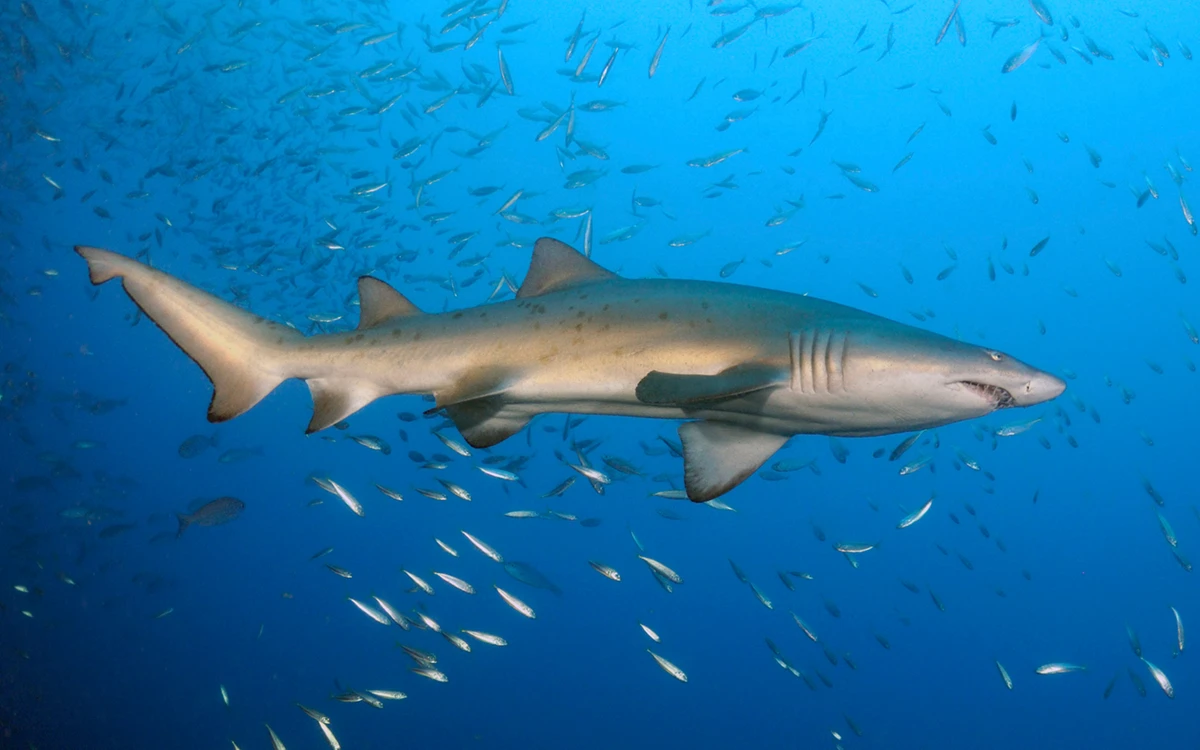
Spot a Shark is a community-science program collecting photos of Grey Nurse Sharks from divers interacting with the sharks along the East Coast of Australia. These photos are used to support vital research, raise awareness and increase conservation efforts to protect this shark species.
For each shark photograph, the Spot a Shark team perform spot mapping techniques and use sophisticated software (hosted by Sharkbook) to determine which individual shark was sighted.
Identifying individual Grey Nurse sharks helps track shark movement, monitor overall health of the population, and help monitor behaviour and changes at local aggregation sites over time. This information is used by Spot a Shark researchers, as well as international partners, to facilitate management decisions aimed towards conserving our Critically Endangered population of Grey Nurse sharks. By supporting this project, you are helping researchers gather valuable data, which may help provide long-term protection for the Grey Nurse sharks and their habitats.
Why we do this?
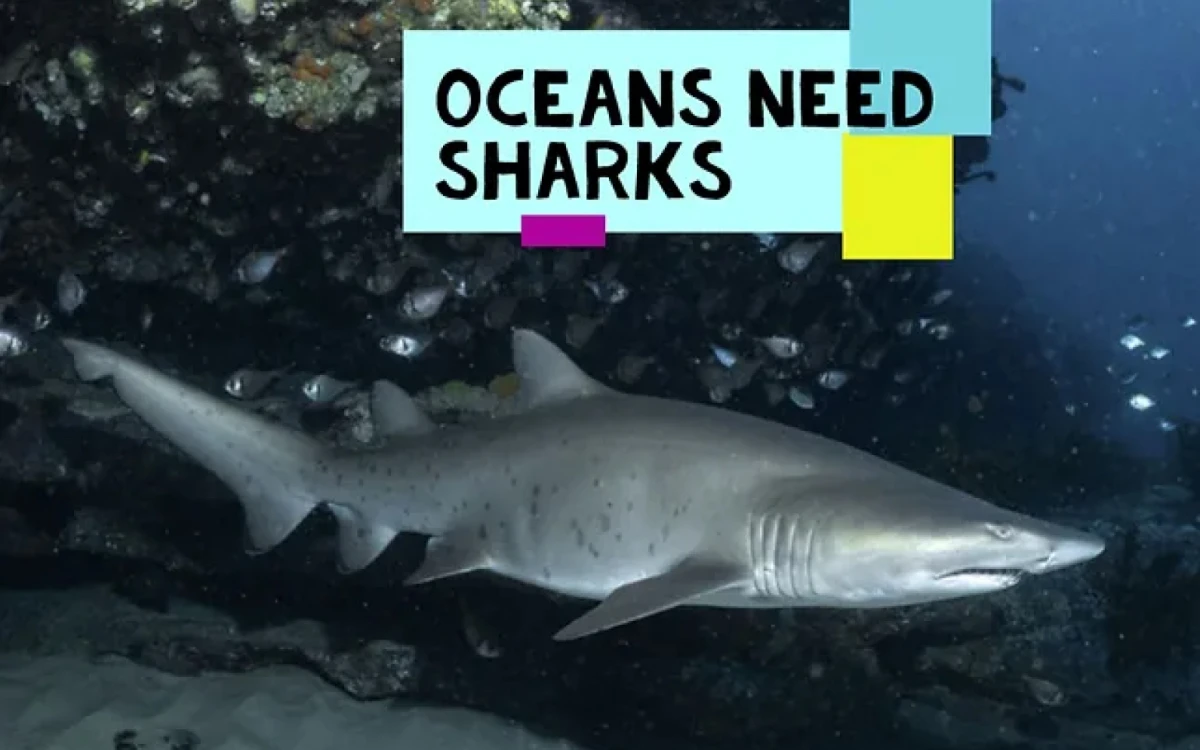
Oceans need sharks to stay healthy, and humans need healthy oceans. The Grey Nurse Shark is found around the world, but each population is unique. Because they are the slowest-reproducing sharks in the world, recovering from the decades of targeted over-fishing that decimated them in the 1970s requires urgent, ongoing protection. Our approach isn't just about research and data; it’s about changing perceptions. Despite their fierce looks, Grey Nurse Sharks are docile, beautiful, and gentle to dive or snorkel with. By raising awareness, we want to help more people fall in love with this species so they feel driven to protect them. Citizen science empowers everyday people to get involved and drive change. Our core mission at Spot a Shark is to raise awareness and gather evidence to help protect this shark species so that future generations can continue to marvel at their outstanding beauty.
How does it work?
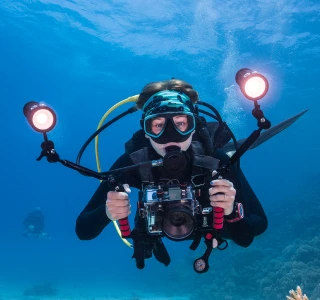
1. Photograph a shark
Every shark has a unique spot pattern on each flank. Take a photo of either the left or right of shark.

2. Submit a photo
Upload your images and tell us when and where you saw the shark and any other observations you had.
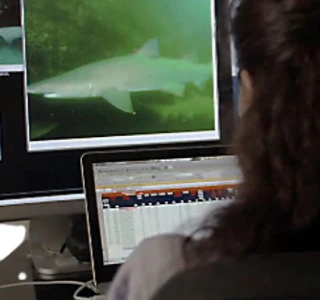
3. Researcher Verification
A local volunteer researcher receives a notification and will double-check the information you provided and initiate the analysis.
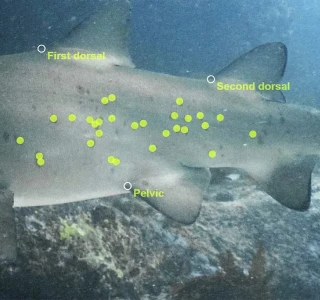
4. Matching Process
Using photo-ID techniques your shark's unique pattern of spots will be compared with thousands of other photos. This process takes time, so please be patient.
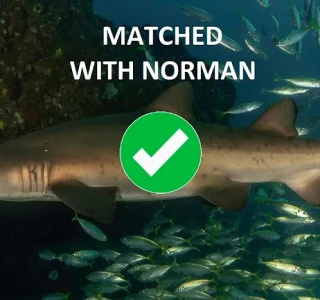
5. Shark Match Result
Researchers review results and visually confirm the shark's identity. Once processed you will receive an update from sharkbook.ai and get future updates.
About the species
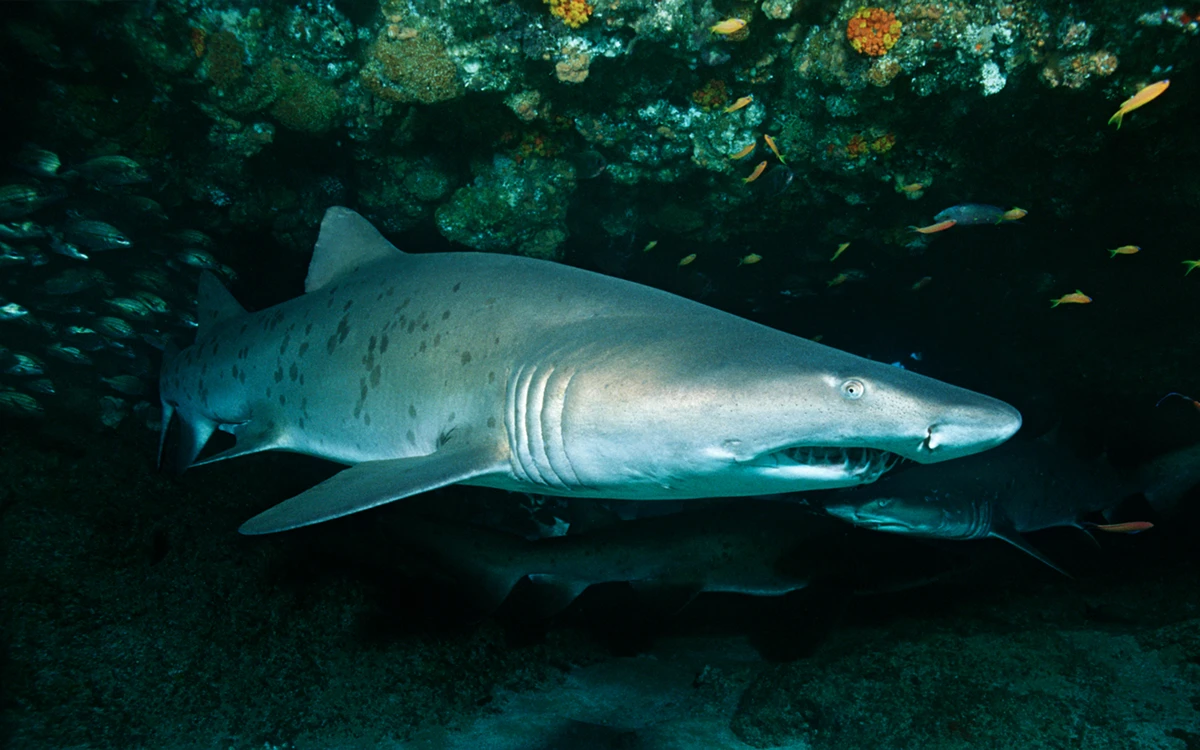
-
Scientific Name: Carcharias taurus
-
Common Names: Grey Nurse Shark, Sand Tiger Shark, Ragged Tooth Shark, Raggies
-
Life Expectancy: 17~35years if not hooked
-
Biology: Ovoviviparous (young hatch inside). They have 2 uterus, with the strongest pup in each uterus eating the others, so that only the strongest two pups are born (one per uterus).
-
Sexual Reproduction: Females sexually active from between 9-10 years old. Only breed once every 2-3 years with a ~12months pregnancy term.
-
Diet: Small fish, rays, crustaceans. Mostly eat at night.
- Status: Critically endangered species around the world.
- Populations: Populations found around the world in US, South America, Japan, South Africa, Mediterranean (now thought extinct), West Coast of Australia, and East Coast of Australia. Each population is genetically distinct from others.
- Key threats: They have one of the lowers reproduction rates among sharks, have a small population, are vulnerable to recreational line-fishing and commercial fishing, and vulnerable to the Shark Control program’s shark nets and drumlines. Their biggest threat is ingesting fishing hooks which can puncture their internal organs and cause slow death. Replenishment of the critically endangered eastern Australian population is unlikely to be achieved via natural migration due to distances from other populations.
Our Supporters

CID Foundation

WildMe

Made Agency
Sharkbook.ai
The FINstitute

PADI

AGS